
Updated on October 2, 2026

Provincial Nominee Program (PNP) streams remain a key part of Canada's immigration policy, with more than 165,000 people expected to obtain Canadian permanent residence through a Provincial Nominee Program between 2025 and 2027.
Provincial Nominee Programs are the fastest-growing economic Canadian immigration pathway. Over recent years, the federal government has gradually increased provinces’ annual allocations for their respective PNPs, showing the increasing importance of these programs within the overall Canadian immigration landscape.
Key Takeaways
- Provincial Nominee Programs are Canada’s fastest-growing economic immigration pathway, with provinces and territories each setting their own eligibility criteria based on local labour market needs.
- PNPs are a two-step process: apply to the province for a nomination, then apply to IRCC for permanent residence.
- Express Entry-aligned nominations add 600 CRS points to your profile, effectively guaranteeing an Invitation to Apply.
- After nomination, Express Entry candidates have 60 days to submit their PR application; base stream nominees must apply before their nomination certificate expires.
- PNP eligibility requirements and draw scores change frequently — always verify current criteria on official provincial websites before applying.

Get personalized immigration help — for free!
What is the Provincial Nominee Program (PNP)?
Provincial Nominee Programs (PNPs) are federal-provincial immigration pathways that allow provinces and territories to nominate foreign nationals whose skills, education, and work experience support their local labour market.
Canada has 13 provinces and territories, each with its own labour market needs. There are currently 11 provinces and territories with active PNPs. Quebec does not have a Provincial Nominee Program, though it does operate its own Skilled Worker Program.
PNP streams fall into two categories: those aligned with the federal Express Entry system and base streams that operate independently. Candidates nominated through an Express Entry-aligned PNP stream receive 600 additional CRS points, which is sufficient to virtually guarantee an Invitation to Apply (ITA) for Canadian permanent residence.
Am I eligible for a Provincial Nominee Program?
Each province and territory determines their own eligibility criteria for Provincial Nominee Programs. For example, one province might prioritize bringing in provincial nominees with experience in a certain occupation, while another province might prioritize bringing in provincial nominees with French-language experience. It depends on the needs of each specific province and territory.
In order to become a provincial nominee, applicants must show that they meet the set criteria. This will show that the applicant has the skills, education, and work experience to be able to make a positive contribution to the local economy and society. The province or territory will consider the application based on the needs of the specific province, as well as the applicant’s genuine intention to settle there.
Within each PNP, there are multiple sub-programs and categories, usually known as “streams”. You can find out which PNP streams and categories are open right now, in our PNP Canada Live Tracker, which includes a tool to help you find the right PNP stream for you.
Video: 2-minute explanation of the Provincial Nominee Program (PNP)
Provincial Nominee Programs explained in 2 minutes!
How to Apply for a Provincial Nominee Program?
In Canada, all final immigration decisions are made by the federal government, not the provincial government. For this reason, PNPs are a two-part process. First, you have to apply to the province for your provincial nomination. Then, if you are approved by the province, you have to submit a second application to the federal government for your Canadian permanent resident status.
Follow these step-by-step instructions to apply for your PNP of choice:
- Find out your eligibility: Use the PNP Live Tracker to track available PNPs and determine your eligibility for the many options available.
- Complete a Provincial Nominee Program application: Submit your application to the province or territory.
- Receive your Provincial Nomination certificate: If your application is complete and you are eligible, you will receive an official Provincial Nomination certificate, allowing you to continue to the next step.
- Submit your permanent residence application: Apply to the federal government for Canadian permanent resident status. If you were nominated through an Express Entry-aligned PNP, you can apply through Express Entry. Otherwise, you must submit a paper-based application.
Some PNP streams operate on a first-come, first-served basis, while other PNP streams require potential applicants to first register an Expression of Interest. Further, some PNP streams operate outside the federal Express Entry immigration system – these are known as “base” streams – while other PNP streams are aligned with Express Entry.

What Provincial Nominee Programs are available in Canada?
1. Alberta Immigrant Nominee Program (AINP)
Alberta is one of Canada’s most popular destinations for new immigrants, offering PNP streams for Express Entry candidates and non-Express Entry candidates. The Alberta Provincial Nominee Program welcomes workers, graduates, and entrepreneurs to the province.
- Learn more about the Alberta Immigrant Nominee Program
2. British Columbia Provincial Nominee Program (BCPNP)
British Columbia offers wide-ranging streams and categories for workers, graduates, and entrepreneurs in its Provincial Nominee Program. It includes categories aligned with Canada’s federal Express Entry immigration selection system.
- Learn more about the British Columbia Provincial Nominee Program
3. Manitoba Provincial Nominee Program
The Manitoba Provincial Nominee Program has been changing over the last several years. Check here to ensure that you have the latest information about the MPNP.
- Learn more about the Manitoba Provincial Nominee Program
4. New Brunswick Provincial Nominee Program
The NBPNP includes a popular Express Entry-linked stream, as well as opportunities for workers with a job offers and immigrant entrepreneurs.
- Find out about the New Brunswick Provincial Nominee Program
5. Newfoundland and Labrador Provincial Nominee Program (NLPNP)
The NLPNP includes Canadian immigration pathways for Express Entry candidates, graduates, workers, and business people.
- Learn all about the Newfoundland and Labrador Provincial Nominee Program
6. Nova Scotia Nominee Program
With many Express Entry-aligned streams and room to welcome graduates and entrepreneurs, Nova Scotia is an increasingly popular destination for newcomers.
- Find out about the Nova Scotia Nominee Program
7. Northwest Territories Nominee Program (NTNP)
If you have a job offer up north in the Northwest Territories, the NTNP could be your immigration route. Express Entry candidates have a dedicated stream under the NTNP.
- Explore your options under the Northwest Territories Nominee Program
8. Ontario Immigrant Nominee Program (OINP)
Ontario has one of the most varied and dynamic of Canada’s Provincial Nominee Programs. Skilled workers, graduates, and businesspeople can plan their immigration to Ontario.
- Learn more about the Ontario Immigrant Nominee Program
9. Prince Edward Island Provincial Nominee Program (PEI PNP)
The PEI PNP welcomes applications from Express Entry candidates, skilled workers, graduates, and business investors.
- Find out about the Prince Edward Island Provincial Nominee Program
10. Saskatchewan Immigrant Nominee Program
This province in the Canadian Prairies is looking to welcome Express Entry candidates, as well as workers in in-demand occupations.
- Learn more about the Saskatchewan Immigrant Nominee Program
11. Yukon Nominee Program (YNP)
Yukon is looking for Express Entry candidates and other workers, as well as business people, to contribute to life in the territory.
- Learn more about the Yukon Nominee Program
Provincial Nominee Programs and Express Entry
Most provinces and territories have streams that are connected with the federal Express Entry selection system, through which “enhanced” nominations are available that award nominees 600 additional Comprehensive Ranking System (CRS) points.
A provincial nomination is the single most valuable factor in the CRS, effectively guaranteeing that the candidate receives an Invitation to Apply (ITA) at a subsequent draw from the pool.
The CRS is a score out of 1,200 assigned to Express Entry candidates, which decides who should get an ITA for permanent residency. In almost every round of Express Entry draws, these 600 bonus points would guarantee that the applicant would receive an ITA.
Individuals who wish to apply for a provincial nomination under an enhanced PNP stream must first create an Express Entry profile and enter the pool.
Processing Times for Provincial Nominee Programs
Processing times for Canada’s Provincial Nominee Programs largely depend on whether or not the application has been submitted under an Express Entry-linked PNP stream, or one of the other streams not linked with Express Entry.
Applicants should expect a processing period for the initial application to the province, plus an additional processing period for the final application to the federal government for permanent residence.
Most provinces have brought their processing times down to a few months or even weeks. For Express Entry-linked applications, the federal processing time for most applications is six months. Non-Express Entry-linked applications, also called paper-based applications, usually take between 1-2 years to process at the federal stage.
You can use this IRCC tool to check PNPs processing times at the federal level. For the initial application to the province, it is recommended that you inquire with the provincial authorities regarding the latest or projected processing times.
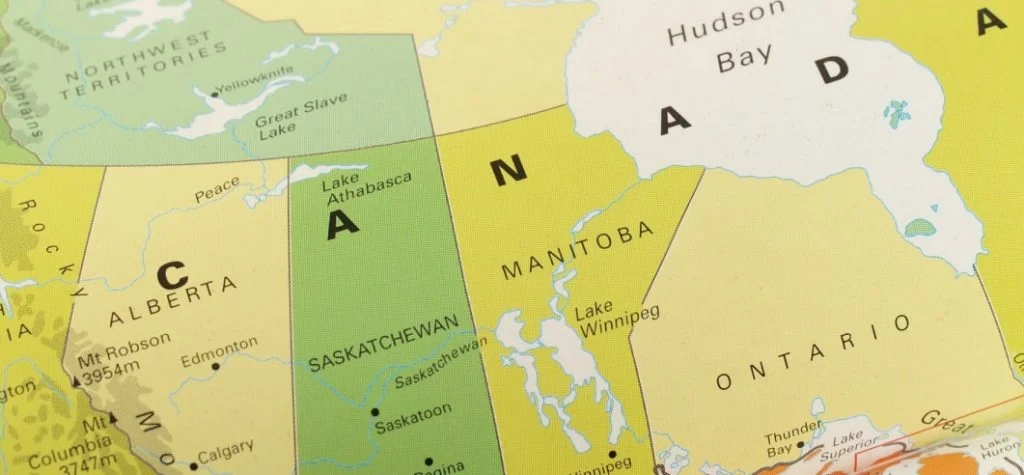
80+ PNP streams, but which is right for you?
Provincial Nominee Program Categories
With more than 70 unique PNP streams across the provinces, we can fit them into three broad categories: first-come first-served, Expression of Interest, and passive.
First-come, first-served PNP streams
This means that once a specific Provincial Nominee Program stream opens, applications are accepted in the order they are submitted until a quota is met.
First-come first-served streams often accept applications on a continuous basis. It used to be that some PNPs (namely, Ontario Employer Job Offer streams) would have application intake windows open for short periods, but this proved to be problematic as sometimes quotas would fill up in as little as 10 minutes.
But for the following streams, if you are eligible, you can submit at any time:
- Saskatchewan International Skilled Worker: Employment Offer
- Newfoundland and Labrador Skilled Worker
Expression of Interest
This is the go-to method for provinces that incorporate points systems into their Provincial Nominee Program streams. In some ways, this category mirrors the federal Express Entry system, with potential applicants first having to put forward their candidacy by submitting an Expression of Interest form.
It should be noted that these point systems are often completely separate from the Comprehensive Ranking System (CRS) used to rank Express Entry candidates. A person might be competitive in Express Entry, but might not be competitive according to the points system used to rank a specific PNP stream.
Examples include:
Minimum scores required to receive an invitation through these and other EOI-based streams fluctuate from draw to draw. There is no certain way to know what score may be required in the future, and so the best advice is to be in the relevant pool so that you may be considered for selection based on your credentials.
Passive Provincial Nominee Program
Some Provincial Nominee Program streams are considered passive because applicants, who are Express Entry candidates in most cases, cannot actively apply or declare their interest in being considered for a nomination through these streams. Rather, potential applicants may be contacted by the province in question and invited to apply.
Applicants who are invited will receive communication from the province sent directly to their IRCC online account.
Examples include:
- All three of Ontario’s Express Entry-linked streams: Human Capital Priorities, French-Speaking Skilled Worker, and Skilled Trades.
- Alberta Express Entry
- Nova Scotia Labour Market Priorities
Tools To Help You Succeed in Your PNP Application
Ace Your English Exam
Learn French, Open Doors
Land Your Dream Job
Trusted Translations
Immigration Consultants
International Money Transfers

Get your questions answered by an expert
About the author