Updated on July 14, 2026


The service and price for household utilities in Canada varies from province to province as providers for most services are different in each part of the country.
What are the Utilities in Canada?
Utilities are the essential home services that keep your household running. In different countries, these services may also be referred to as public utilities, utility services, or essential services.
In Canada, utilities typically include electricity, water, heating, natural gas, internet, and waste collection. Provincial or municipal authorities regulate these services and may be provided by public or private companies, depending on the region.
When renting or buying a home in Canada, some utilities may be included in your monthly housing costs, while others need to be set up and paid separately.
How Much Do Utilities Cost Per Month in Canada?
In general, utilities in Canada are not overly expensive. If you’re renting a property, the costs may be included in your monthly rent.
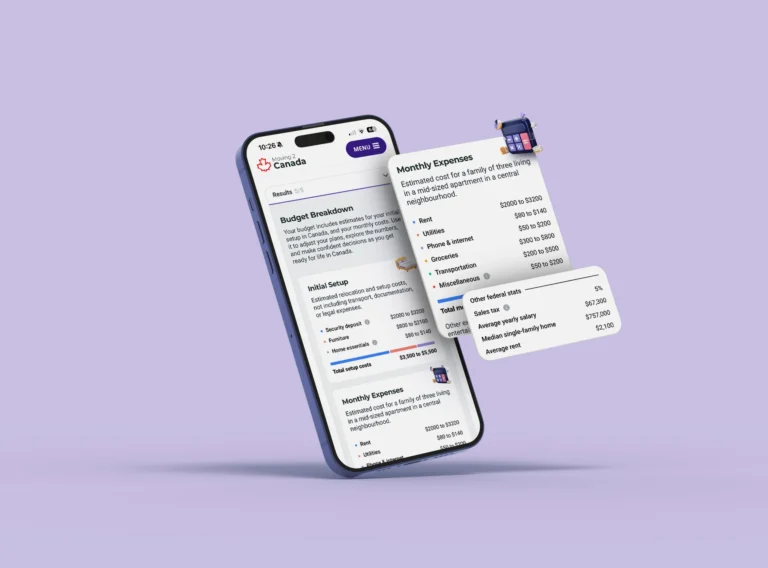
As of May 2026, these are the usual ranges for utilities across Canada:
- Utilities: $50 to $280 – Depending on the number of family members
- Phone & internet: $146 to $420
Check the cost of utilities and other living expenses in a specific city. Use our Budget Calculator tool to plan your budget for life in Canada.
Are Utilities Always Included in Rent?
No, utilities are not always included in rent in Canada. Whether utilities are included depends on the rental property, the landlord, and the province or city where you live.
In many rental listings, some utilities may be included while others are paid separately by the tenant.
Common examples include:
- Utilities included: water, heating, or electricity (“hydro”)
- Utilities not included: internet, cable, electricity, or natural gas
Rental listings in Canada often specify this clearly using terms such as:
- “Utilities included”
- “Heat and water included”
- “Tenant pays hydro”
- “Plus utilities”
What to do if Utilities are not Included in my Rent?
If utilities are not included in your rent, you may need to open accounts with local utility providers and pay monthly bills separately.
Before signing a lease, make sure to confirm:
- Which utilities are included
- Which utilities you are responsible for paying
- Whether there are any additional monthly service fees
Understanding utility costs in advance can help you budget more accurately for living expenses in Canada.
List of Utilities in Canada
Here’s a list of service providers for basic utilities in Canada.
1. Electricity
Residential electricity prices vary considerably across Canada.
As of data released in 2025, for a household consuming around 1,000 kWh per month, the cost can go from $83 up to to $375 per month, depending on the province or territory.
Here are the rates for a typical household, consuming 1,000 kWh per month, per province:
- Alberta: $187,10
- British Columbia: $131,9
- Manitoba: $109,5
- New Brunswick: $152
- Newfoundland: $169,5
- Nova Scotia: $161
- Northwest Territories: $255
- Nunavut: $374,7
- Ontario: $164,5
- Prince Edward Island: $198
- Quebec: $82,9
- Saskatchewan: $178,9
- Yukon: $136.1
The differences are caused by a variety of factors, including the type of energy sources used in the area, population density, and the distance from the generation source to the household.
Canada’s rates are among the lowest in the world, and household electricity is cheaper in Canada than in the USA and many European countries.
Which electricity company serves my province?
- British Columbia: BC Hydro
- Ontario: several options, including Hydro One and Toronto Hydro
- Alberta: Energy Alberta
- Saskatchwean: SaskPower
- Manitoba: Manitoba Hydro
- Quebec: Hydro Quebec
- Prince Edward Island: Maritime Electric
- New Brunswick: NB Power
- Nova Scotia: Nova Scotia Power
- Newfoundland: Newfoundland & Labrador Hydro
2. Phone
Rogers, Bell, Telus, and Shaw are among the providers of landline home phone service and also mobile plans. Availability will depend on your location.
What is the cost of a home phone landline in Canada?
The costs vary significantly based on the technology and providers. As of May 2026:
- TELUS: Standard landline plans start around CAD$33/month.
- Bell: Packages like Home Phone Lite start at around CAD$58.32/month
- Rogers: is the cheapest, voice plans can be added to existing bundles for around CAD$17.00/month
What is the cost of a home cell phone plan in Canada?
In Canada, mobile plan costs typically range from CAD$15 to CAD$85+per month, depending on your data needs, if its prepaid or postpaid and whether you bring your own device.
As of May 2026:
- Basic talk and text plans: From CAD$15 to CAD$20/month
- Data (40GB to 60GB) 5G plans: From CAD$45 to CAD$55/month.
For detailed mobile prepaid and postpaid cell service costs, visit our Cell Phone Plans in Canada Guide for a list of options and for guidance to help you choose your plan.

Exclusive deal on phone plans in Canada
3. Internet Service Providers
The main internet service providers in Canada offer promotions to new customers, so be sure to see what savings you can receive.
There are a number of other considerations you’ll need to keep in mind also, including what technical support is available, usage caps and download / upload speeds, and any rental costs for equipment.
Visit our Internet Service Providers in Canada guide for more detail.
4. Cable TV
Cable TV services are offered by Bell, Rogers, Shaw, Telus, Novus, and others. Availability depends on your location in Canada. Since 2016, service providers must offer a package that costs no more than $25 per month, not including the rental or purchase of equipment. However, if you want to watch sports and movies, then you can expect to pay close to $100 a month, or more.
Another option is to buy an aerial (or ‘antenna’), and receive free ‘over-the-air (OTA)’ channels, similar to how you receive Freeview in the UK, or Saorview in Ireland. This isn’t a commonly used option in Canada however, so you’ll likely only pick up five or six channels (or none at all, if nearby environmental factors prevent you getting a signal). These will have some of the most popular news and entertainment programs, a few live hockey games, and will usually be in HD.
Many Canadians are opting for subscription streaming services like Netflix and Prime Video rather than traditional cable options.
Related: How to stream TV from home in Canada
To manage your finances well and make smart financial decisions once you move to Canada, it is important to keep track of your credit score. There are free tools and services available to support you in doing so. For instance, Borrowell’s free credit score tool can help you monitor your creditworthiness with financial institutions.
Latest Immigration News!

Can Newcomers bank on Canada’s new anti-fraud tool?
Read more

Daylight Saving Time to Get Even More Confusing: B.C., Alberta, Manitoba Won’t Turn Clocks Back
Read more

Ontario Trillium Benefit: OTB Payment Dates, Eligibility and Amounts for 2026
Read more

Canada Groceries and Essentials Benefit (CGEB): 2026 Payment Dates & Eligibility
Read more
About the author