I came to Canada on a one-year study permit, not knowing if I’d stay long-term. But as “temporary” turned into something deeper, I realized I wasn’t ready to leave.
After seeing the new Immigration Levels Plan 2026-2028, I’ve been reflecting on what those numbers actually mean to people going through the process. For every target or quota announced, there are real people navigating timelines, visas, and decisions that shape our lives in ways statistics can’t fully capture.
This is the story of how I almost had to leave Canada and what that experience taught me about immigration, uncertainty, and resilience.

I Came to Canada on a One-Year Study Permit
I arrived in Canada in 2017 with a suitcase, a study permit, and a mindset that this would be a short chapter in my life. I completed a one-year postgraduate program, knowing it would only give me a one-year Post-Graduation Work Permit (PGWP). I was okay with that.
At the time, I wasn’t sure if I wanted to stay in Canada long-term. But I also didn’t expect “temporary” to begin feeling like “home” so soon.
The Clock Starts Ticking the Moment You Graduate
For anyone on a one-year PGWP, there’s no buffer time. You have 12 months to:
- Land a full-time, skilled job
- Accumulate at least 1 year of qualifying work experience
- Create a strong Express Entry profile
- Hit the minimum CRS cut-off score before your PGWP expires
I started job hunting about three months before finishing my program. I had hoped to work in graphic design, but most of my experience was in clerical roles. That’s what opened the door. The company I worked for part-time had an internal job opening. It was for an administrative assistant (NOC B, now TEER 3).
I applied and eventually got the role, but not without hurdles. My employer had worries about my status and the brief length of my work permit. I had to self-advocate at every stage.
The Real Timeline Behind My PGWP
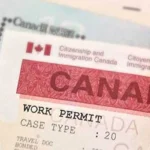
While my PGWP itself was valid for one year, my timeline of gaining work experience was closer to 15 months. I applied for my PGWP as soon as I had all the required documents and began working full-time under implied status while waiting for a decision.
My PGWP was approved about three months later, and that’s when the official one-year countdown began. So while I technically had 12 months on the permit, I got a head start—making my real window to earn points through work experience slightly longer.
Can I work while I am waiting to receive my post-graduation work permit?
When I Realized I Might Have to Leave Canada
A few months before my PGWP expired in January 2020, it hit me: even with a skilled job, strong language scores, and age on my side, Express Entry was competitive — but not nearly as intense as it is today.
At the same time, I was starting to feel at home in Canada. I had a strong friend group, was enjoying seasonal activities, and started exploring more locally. I had invested emotionally in a life I wasn’t sure I could keep.
I came across a Reddit thread that perfectly captured what I—and so many others—were feeling: that even in moments of doubt, I wasn’t alone in feeling that quiet grief that comes when your life begins to feel temporary again. It also echoed the truth that immigration isn’t just paperwork, it carries an emotional weight that’s hard to explain unless you’ve lived it.
How I Prepared to Leave, Just in Case
I finally had to confront the reality that I might leave Canada. I started preparing, not just emotionally, but practically, too. Here’s what that looked like:
- Booked my flight back home
- Packed up my things and donated what I could
- Updated my resume for job applications in my home country
- Set aside emergency savings to help me restart back home
- Spent more intentional time with friends and family
- Let myself grieve the life I thought I’d continue building here
- Tried to find closure by revisiting my favourite spots and saying quiet goodbyes
Other things to consider when preparing to leave include:
- Giving proper notice to your landlord to end your tenancy
- Cancelling or pausing your phone plan
- Closing Canadian credit cards and bank accounts
- Transferring funds internationally or setting up cross-border access
- Paying off any remaining bills or subscriptions
- Updating your mailing address or forwarding your mail
- Backing up important documents (e.g. T4s, tax slips, reference letters)
- Downloading your immigration and work history records
Some of these seem small, but in the stress of preparing to leave, they can pile up quickly. Having a checklist helped me feel a little more in control, even when the future was still uncertain.
The Moment Everything Changed: My PR Breakthrough
My return flight was booked for June 2020. My suitcase was half-packed. Two weeks before departure, I got an Invitation to Apply (ITA) for permanent residency!
Due to COVID-19, immigration policy had shifted to prioritize applicants already in Canada. CRS cut-off scores began to drop, and Canadian Experience Class (CEC) draws became more frequent. Eventually, the day came when the CRS cut-off aligned with my score and I received an Invitation to Apply (ITA) for PR.
I canceled my flight. I got to work on my PR application immediately. It felt like I could finally breathe after months. I had made it, just barely.
Lessons I Learned About Immigration and Uncertainty
If I had the chance to go back and do things differently, it would be this:
- Choose a longer program of study. A two- or three-year program could have given me a longer PGWP, which in turn would’ve provided a better runway to find work, gain more skilled work experience, and improve my chances of being invited to apply for PR.
- Give myself permission to enjoy the journey. I was so focused on reaching the next milestone that I forgot to stop and enjoy the life I was already living.
- Explore more ways to boost my CRS score early on. Looking back, there were several things I could’ve done sooner like improving my language test scores, learning a second language, or even researching how to get a provincial nomination. These can all make a big difference when you’re working with a tight timeline. If you’re trying to improve your score, check out Moving2Canada’s guide to boosting your CRS score
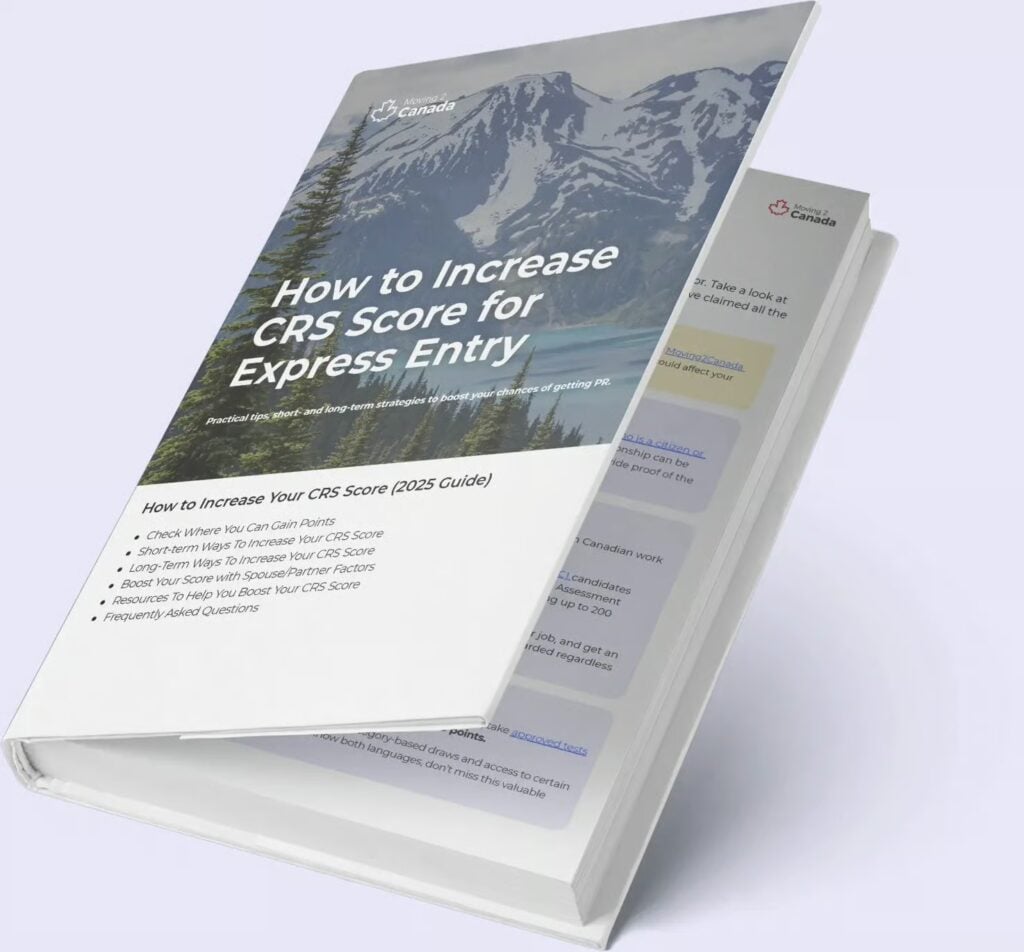
Free Guide
Boost Your CRS Score for Express Entry
Sign up for our newsletter and download our free guide packed with practical tips to boost your CRS score and improve your chances of getting invited.
Download guide
The reality is, navigating immigration on a short timeline is intense. But if you’re in the same boat, here’s what I want you to know:
- Hope for the best, prepare for all outcomes. Have a plan A, B, C, and D.
- Stay organized and informed. Understand your options and timelines.
- Speak with people who’ve been through it. You’re not alone.
- Give yourself space to feel. Immigration is deeply personal and emotionally taxing.
- Enjoy the life you’re building now. Don’t wait for PR to start living.
What That Season Taught Me
Even though I stayed in Canada, preparing to leave taught me lessons I’ll carry forever. I learned:
- Resilience: I gave it everything I had, even when the outcome was uncertain.
- Focus: I learned to stay grounded in what I could control-my effort, my mindset, and the steps I could take.
- Acceptance: I learned to find peace in the possibility that things might not go the way I hoped-and to move forward anyway.
More importantly, I learned that leaving wouldn’t have meant failure. It would’ve just meant a different version of my story. I would still take the growth, relationships, and experiences from here into whatever comes next.
And if you’re in that same place right now — unsure if you’ll get to stay — please know this: your story is still unfolding, and it’s just as valid no matter where it leads.
Featured Stories

Immigration • Oct 16, 2026
Will High-Wage Occupation Points Impact Category-Based Express Entry Draws?
Read more

Immigration • Oct 16, 2026
Could the October 16 CRS Update Push Express Entry Draw Scores Above 530?
Read more

IEC • Oct 16, 2026
Working Holiday Canada News, IEC Pools and Invitations
Read more
Immigration • Oct 16, 2026
How to Update Your Express Entry Profile for Canada’s New Job Offer Rules
Read more
About the author

Rachel Dancel
She/Her
Newcomers Influencer & Video Content Creator
Originally from the Philippines, her immigration journey began as an international student, leading to permanent residency in 2021. Passionate about sharing her immigration experience, she created a YouTube channel during a pivotal time. A visual storyteller, Rachel adds unique perspective to the team as our Video Content Creator. She crafts engaging and informative content to help fellow immigrants navigate their journey to Canada.
Read more about Rachel Dancel
Citation
Dancel, Rachel.
"I Almost Had to Leave Canada: Here’s What That Taught Me."
Moving2Canada.
Last modified August 20, 2026.
https://moving2canada.com/news-and-features/features/immigration/i-almost-had-to-leave-canada/.
Copy for Citation
Featured Stories
Immigration • Oct 16, 2026
Will High-Wage Occupation Points Impact Category-Based Express Entry Draws?
Read more
Immigration • Oct 16, 2026
Could the October 16 CRS Update Push Express Entry Draw Scores Above 530?
Read more
IEC • Oct 16, 2026
Working Holiday Canada News, IEC Pools and Invitations
Read more
Immigration • Oct 16, 2026
How to Update Your Express Entry Profile for Canada’s New Job Offer Rules
Read more