This article was updated more than 6 months ago. Some information may be outdated.
Reference checks are a standard part of the hiring process in Canada. Typically, just before making an offer, your prospective employer will contact one to three of your past supervisors to conduct a reference check.
Although this is a normal step in the process, there are a few simple things you can do to prepare your referees properly. Done well, a reference check can reinforce everything you said in your interview. Done poorly, it can create confusion and even jeopardize your job offer.
Reference checks are conducted to verify that the information you provided in your CV and interview is accurate, and to better understand your work style and fit for the role. As a newcomer, you may also be wondering whether you can include references from outside Canada and how to prepare them. We’ve got all the answers for you here!
This is your guide to preparing your referees for work reference checks in Canada.
What are reference checks in Canada?
A reference check is usually one of the final steps in the hiring process. Most employers will contact one to three of your former supervisors or managers to confirm details about your work history. They typically ask about:
- Your role and responsibilities (do they match your CV?)
- Your performance, strengths, and weaknesses
- Your reliability and teamwork
- Whether the referee would rehire you
The depth of a reference check varies by employer. A small business might have a short, informal phone call. A government agency or regulated employer may use a structured questionnaire with detailed questions.
In Canada, reference checks should focus strictly on professional matters. It’s illegal for employers to ask questions about personal details like your marital status, if you plan to have children, when you intend to retire, etc. Provincial human rights laws across Canada prohibit that type of questioning.
Note: A reference check is different from a background check. A background check is broader. It may include criminal record checks, education verification, or credit checks depending on the role. These are more common in positions involving security, childcare, finance, or vulnerable populations.

How to select your reference
Your references should ideally be supervisors or managers who directly oversaw your work and can speak confidently about your performance.
Choose people who worked with you closely and understand the scope of your skills and responsibilities. You want to select referees who can back up the information you included in your CV and job interview. Try to include individuals with whom you have a positive relationship – they’re far more likely to provide you with a strong reference.
Longer working relationships tend to carry more weight. Someone who managed you for two years can usually provide a more meaningful reference than someone who worked with you briefly.
If you do not have a former supervisor available, you may use a senior colleague or team lead. This isn’t ideal, but it can work in a pinch, especially if they’re properly prepared.
Avoid listing references who might hesitate or provide vague feedback. A lukewarm reference can be harmful to your application, particularly for a competitive position.
What if your work experience is outside Canada?
You can absolutely include references from outside Canada.
If your experience is international, most employers will accept foreign references. That said, if you do have Canadian work experience, it’s helpful to include at least one Canadian reference when possible. Some employers, fairly or not, feel more comfortable speaking with someone familiar with Canadian workplace norms.
If all your references are international, don’t panic. Just prepare carefully. First, confirm how the reference check will be conducted. If it’s by phone, make sure time zones align. You don’t want your former manager in Mumbai getting a call at 3 a.m.
Second, prepare your referee thoughtfully. Workplace culture differs from country to country. Canadian employers may expect more direct feedback about collaboration, communication style, and accountability. If that’s different from how references are typically handled in your home country, it’s worth flagging that gently so your referee isn’t surprised.
How and when to submit your references
In Canada, the standard practice is to include a line at the end of your resume stating: “References available upon request.” You do not need to list names and contact details upfront unless explicitly requested.
Some employers, particularly in government or healthcare roles, may require reference information early in the process. Others use online application forms that require reference details before interviews. In those cases, provide the information as requested.
Otherwise, wait until the employer asks. That gives you time to notify and prepare your referees properly.
How to prepare your referees for the reference check
Reference checks are typically pretty standard, and most supervisors are comfortable handling them. However, there are a few simple steps you can take to prepare your referees.
1. Get permission first
Never list someone as a reference without asking them. Always confirm they’re comfortable serving as your referee and verify their preferred contact details.
2. Let them know when checks are happening
Once you know the employer is conducting reference checks, give your referees a heads-up. Let them know the company name and the expected timing. If you know whether the check will be by phone or written form, share that too.
3. Brief them on the role
Send a short update that includes:
- The company name
- The job title
- A copy of the job posting
- A few key skills or experiences discussed in your interview
- You can also send them your updated CV so they’re aligned with how you’ve positioned yourself.
Keep this short – a simple email with a few bullet points is enough.
4. If your reference is international, add Canadian context
If relevant, prep your international references on Canadian expectations. Let them know that Canadian employers may ask direct questions about teamwork, communication, or problem-solving. This helps your referee prepare for the style of questioning.
5. Thank them properly
After the reference check is completed, send a thank-you message. If you receive an offer, let them know. Most references like to know that they were able to help someone in their career.
What happens after a reference check in Canada?
Typically, the reference check is one of the final steps prior to a job offer. After your reference check, simply wait patiently for a response from your prospective employer. You can follow up if there is no response within a reasonable time.
Hopefully, with the tips in this article you’re able to prepare your referees for their reference checks and you receive an offer soon. Congrats on making it this far!
Want more tips on finding a job in Canada? Be sure to register for the Moving2Canada newsletter. It’s 100% free!
About the author

Dane Stewart
He/Him
Canadian Immigration Writer
Dane is an award-winning digital storyteller with experience in writing, audio, and video. He has more than 7 years’ experience covering Canadian immigration news.
Read more about Dane Stewart
Citation
Stewart, Dane.
"Reference Checks in Canada: How to Prepare Your Referees."
Moving2Canada.
Last modified February 18, 2026.
https://moving2canada.com/features/reference-checks-in-canada-prepare-your-referees/.
Copy for Citation
Featured Stories
Work • Oct 16, 2026
How International Candidates Should Explain Their Immigration Status
Read more
Work • Oct 9, 2026
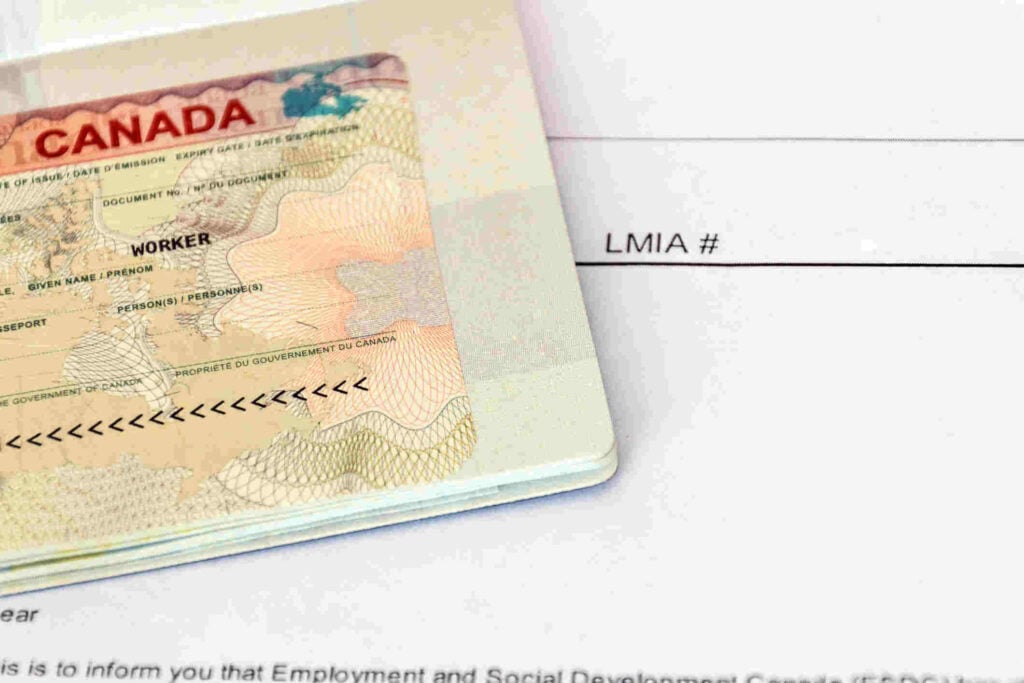
Fewer Canadian Cities Now Eligible for LMIAs from October 9
Read more

Work • Oct 9, 2026
The Resume Mistakes Recruiters Notice Immediately
Read more

Work • Oct 2, 2026
What Employers Want to See in a Canadian Job Interview with International Applicants
Read more