This article was updated more than 6 months ago. Some information may be outdated.
If you’re planning a Working Holiday in Canada, you’re probably feeling both excited and a little nervous. It’s a big step, even if it’s only for a year or two. And as with any big move, the costs play a major role in how smoothly everything starts.
Before you leave home, you’ll handle your IEC application fees, your travel insurance, and your flight. These are essential parts of your budget, but the real costs begin once you arrive in Canada, especially when you start dealing with deposits, temporary housing, and basic setup costs.
From my own experience, those were the things that took up most of my budget – some that I didn’t fully expect at first. To help you get ready, we’ll walk through some of the biggest expenses you can expect in your first few months and why they matter.

The Biggest Costs You’ll Face When Settling In
Canada requires at least $2,500 in proof of funds for IEC participants, but most newcomers find they need closer to $4,000–$6,000 to get through their first month comfortably. Once you see the costs below, this range makes a lot more sense.
Temporary Accommodation (Your First Few Weeks)
Most newcomers don’t secure long-term housing before they arrive. Instead, they start out in a hostel, budget hotel, or Airbnb while they search for a room or apartment. Even short stays can become expensive, especially in large cities.
A planned “one-week” stay can stretch longer if job hunting or housing takes extra time. A realistic amount to prepare for is at least $1,000 for your first few weeks, depending on the city and the type of place you book. This early cost is easy to forget, but it often takes a big chunk out of your budget.
Housing Deposits and Your First Month’s Rent
Rent is often your biggest monthly expense, and it comes with upfront costs that add up quickly. Most rentals require your first month’s rent plus a deposit, which means your housing costs can double before you even unpack your bags.
An average one-bedroom apartment in Toronto costs around $2,222 per month, but that’s just the average for a full private unit. Even in central Toronto, you can sometimes find a room in a shared home for about $900, depending on the neighbourhood.
Many IEC travellers choose shared housing, basement suites, or places farther from the city centre because they’re much more budget-friendly. Even so, any housing can be a large arrival cost, so planning early makes a real difference.
Furniture and Basic Home Items
Many rentals in Canada come unfurnished, so when you first walk in, the place might be completely empty. That means buying things like a bed, a mattress, a table, chairs, and essential kitchen items.
With a bit of smart planning, you can set up your new place even with a tight budget. Shopping at second-hand stores, browsing online marketplaces like Karrot (a local buy-and-sell app popular in many Canadian cities), and picking up the occasional freebie can help keep costs down.
Transportation (Transit or a Car)
If you’re thinking about getting a car, it’s important to know how expensive it can be. A used car in Canada now averages around $34,000, and a new car can cost at least double that. You may choose to finance a vehicle, which means monthly payments, on average, around $550 for a used car or over $1,000 for a new car.
But the costs don’t end there; you’ll also pay for insurance, fuel, parking, and regular maintenance. Winter tires are another must in most provinces, and they add to the overall cost.
When you put everything together, most people spend around $1,500–$1,800 a month to own and run a car in Canada. That’s why many newcomers stick with public transit unless a car is truly necessary for work or location. Turo is a great option for IEC newcomers who only need a car occasionally. It’s a car-sharing platform where you can rent vehicles from local owners, giving you flexibility without the long-term costs of owning a car.
Other Smaller but Important Costs to Keep in Mind
You’ll also have smaller costs like a phone plan, usually $35–$60 a month. Phone plans in Canada are often more expensive than what many people are used to back home, so this can come as a small surprise. While they’re not major, they still add to your overall budget. What surprised me more were the everyday things that add up fast – stocking your pantry for the first time, buying proper winter clothing, and remembering that sales tax gets added at the checkout.
Winter Clothing
If you’re not used to cold weather, Canadian winters can feel intense. A warm coat, proper boots, gloves, and layers are essential. These items aren’t cheap, but investing in good-quality winter gear is well worth it, especially if you’re arriving in Canada during the colder months, when you’ll need these things right away.
Second-hand stores and local buy-and-sell groups are also great spots to find winter clothing for much less, which helps keep costs much more manageable.
How to Prepare for These Costs
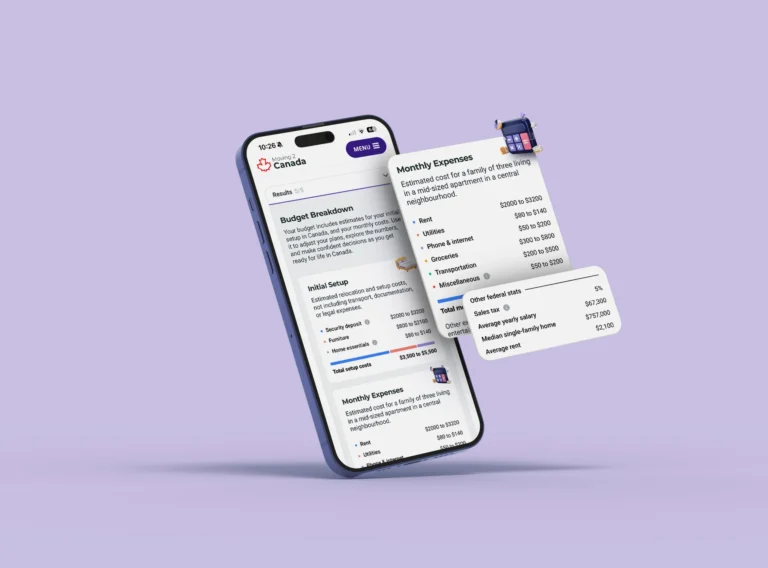
Using a cost-of-living tool can help you get a clearer picture of what everyday expenses look like in the city or town you plan to live in. It’s a useful way to compare rent, groceries, and transport costs before you arrive.
Once you’ve done that, it’s also a good idea to keep an emergency fund for the unexpected. Even with careful planning, extra costs can pop up in your first few weeks, and having a buffer can make settling in feel much less stressful.
Preparing well doesn’t remove the costs, but it does give you confidence. And once you’re settled, you can focus on enjoying Canada and making the most of your IEC experience

About the author

Freya Devlin
She/Her
Content Writer
Having recently moved to Canada, Freya offers a current perspective on the challenges and opportunities of starting fresh. Whether that's the understanding hassle of jargon-filled paperwork, searching for a place to live, or simply discovering those little things that make a place feel like home. She is excited to continue writing content for newcomers to Canada that is clear and helpful.
Read more about Freya Devlin
Citation
Devlin, Freya.
"Major Costs to Expect During Your Working Holiday in Canada."
Moving2Canada.
Last modified December 19, 2025.
https://moving2canada.com/features/major-costs-iec-working-holiday/.
Copy for Citation
Featured Stories

Immigration • Oct 16, 2026
Will High-Wage Occupation Points Impact Category-Based Express Entry Draws?
Read more

Immigration • Oct 16, 2026
Could the October 16 CRS Update Push Express Entry Draw Scores Above 530?
Read more

IEC • Oct 16, 2026
Working Holiday Canada News, IEC Pools and Invitations
Read more
Immigration • Oct 16, 2026
How to Update Your Express Entry Profile for Canada’s New Job Offer Rules
Read more